Workflows start with Search or Evidence
About the project
A business can be seen as a collection of workflows. For people trained in the workflows, the digital workflows can be organised in a navigational menu with appropriate names, which can be used to pick the appropriate workflow. Thepia Flows instead requires the user to present event evidence, a query or another form of prompt. The user intent is determined based on ML models interpretation of the input.
Product search in a workflow is not a single lookup. Someone typing "palm oil free baking fat" has a constraint, a use context, and an implied fallback if nothing matches — they want a substitute, not an empty page. Someone typing "what is fairtrade" wants information before they buy, not a product list. Someone typing "I want to reduce plastic in my kitchen" is exploring, not filtering.
Each of these calls for a different next step and a different interface to support it. Getting that right starts with measuring it — and there was no benchmark that covered this kind of multilingual, constraint-based, goal-oriented query. So one was built and published openly.
What we did
To expand the entities and determine intent, a new benchmark is needed beyond Amazon ESCI. The benchmark covers approximately 331,000 products and 13,000 brands across 31 languages, enriched with trademark registry data from across Europe. It provides a clear, repeatable way to test whether a search system is understanding what someone is asking, not just matching the words they typed.
- Covers real query types missing from Amazon benchmark: substitution requests, ingredient avoidance, certification questions
- Based on know brands present in Europe
- Built for European multilingual markets, not English-only data
- Publicly available on HuggingFace for anyone to use and build on
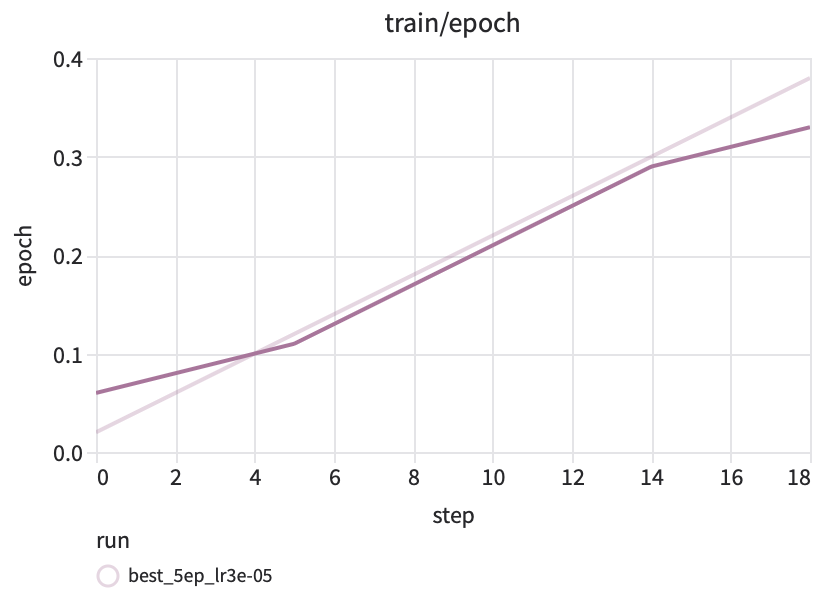
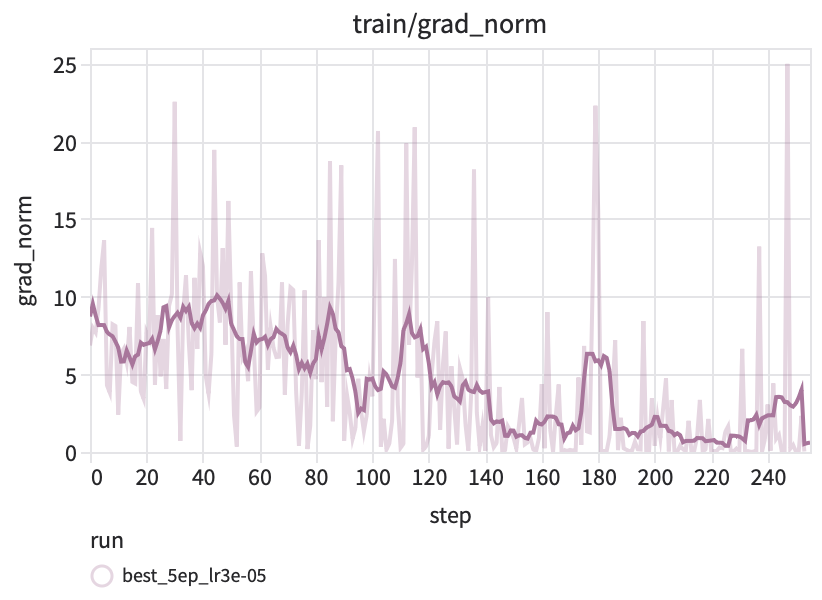
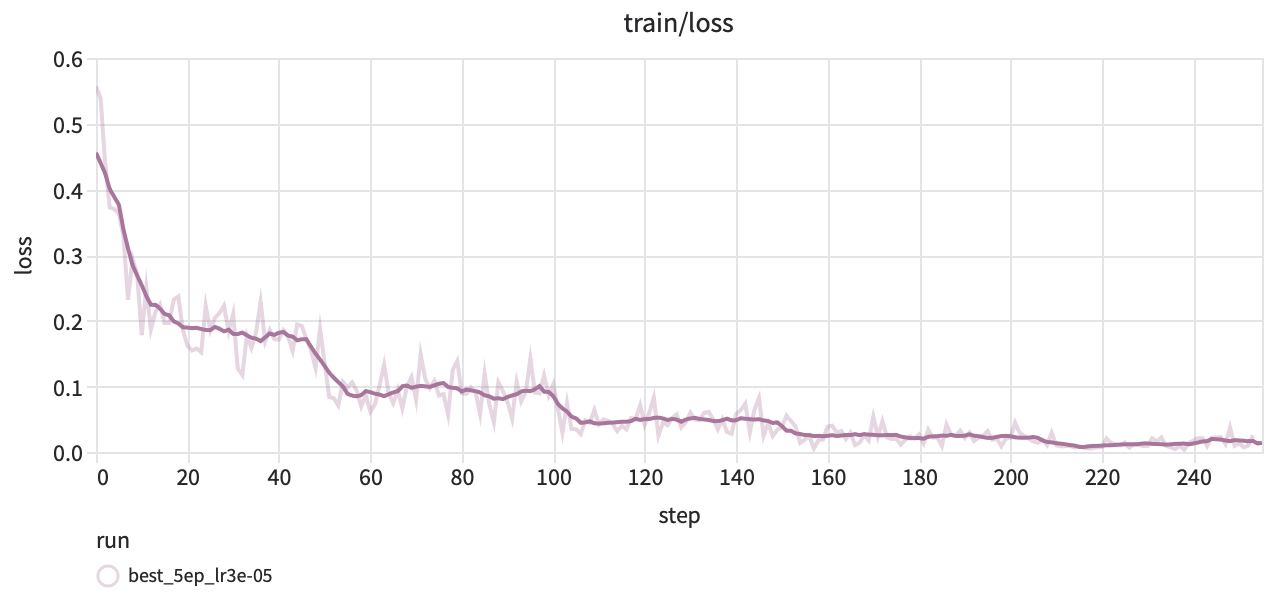
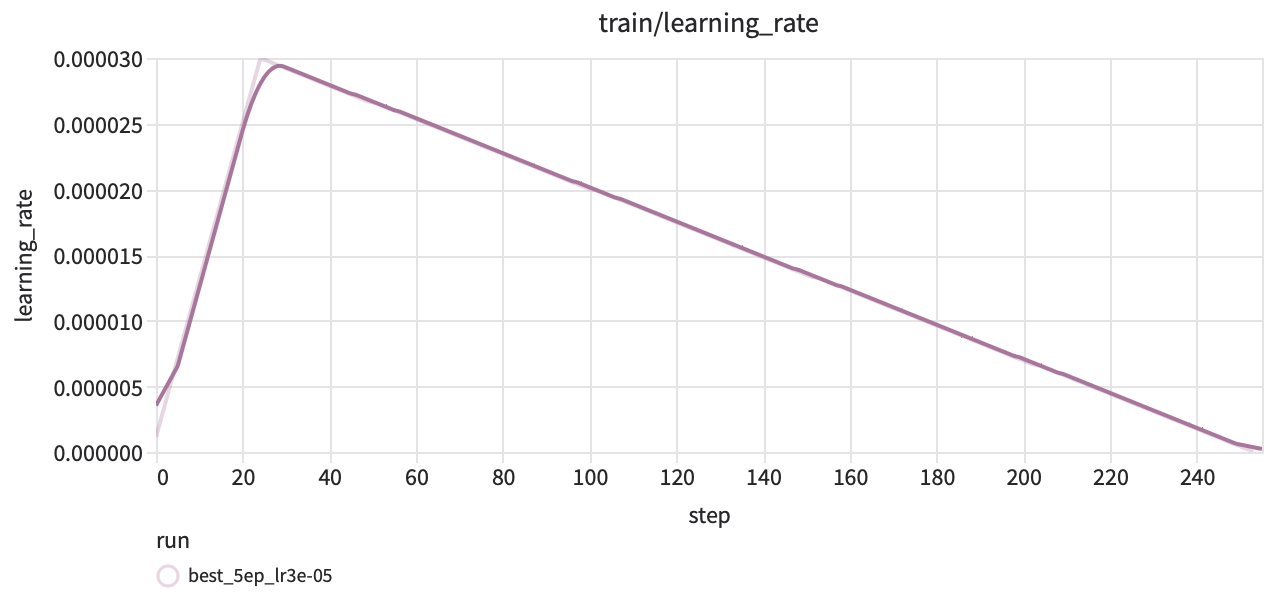
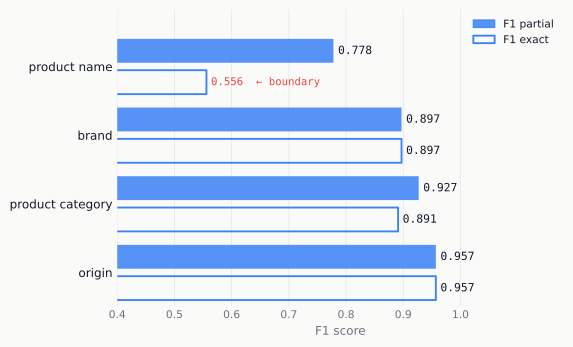
With a way to measure quality established, we need ML models that perform well against it. We train Entity Recognition that can match against the types of sentences that identifies the wish to find a particular product with 9 of 10 accuracy. Getting that to ten out of ten is ongoing work.
The model's accuracy matters because its output is what determines which workflow steps activate next. A wrong reading sends someone down the wrong path.
When the NER parsing fails to match a query, we fall back to Agentic Search using an LLM. We use an GPT OSS 120GB with a prompt that precisely describes the situation. The LLM allows a wider range of responses, and even tool use, searching the web for detailed information. Based on the feedback we can decide to:
- Get more feedback from the user.
- Provide a quer with data we didn't previously support
- Save training for the next model version
- Flag the query for human follow up
The process runs on the server by default. Running search takes running inference for multiple ML models. Some of them can be run on limited hardware. With quantised model variants, it can be run client side. Be that in a native iOS or Android app, or using WebGPU in the web browser.
With that the workflow can respond at keypress speed, presenting suggestions and activating the right next step as the person types, with no waiting. This also means the interface can offer rich, responsive autosuggest driven by real understanding of what the person means — not just a list of matching words from a dictionary.
Workflows that start with what you have
Most workflow tools require you to know where you are going before you start — you navigate to the right section, open the right form, and follow a fixed sequence of steps. Thepia Flows starts from the other direction: present what you have in front of you, and the system determines what comes next.
Product search is the clearest example of this. A query is an event. What the person means by it determines which steps follow — a filtered search, a comparison, a guided exploration, or an answer to a question before any searching happens. Those are different workflows, and the right one only becomes clear once the query is understood.
Search as steps, not a single lookup
Unlike search in Google or Amazon — a query in, results out — this approach treats search as a sequence of steps that can narrow, redirect, or extend depending on what the person actually needs. Context from earlier in the interaction carries forward. A preference expressed once is remembered and applied to what follows.
The interface adapts to each step rather than showing a fixed layout for every possible state. Each step gets the interface appropriate to what is happening at that moment — a constraint picker, a comparison surface, an informational card, a curated bundle — without requiring the person to navigate between them.
A reusable capability
The benchmark, the models, and the on-device deployment path are not specific to one product catalogue or one application. Any workflow that starts with a person expressing what they need — in any of 10 languages, on any device — can use this layer to interpret that input and activate the right response. The benchmark and models are published openly on HuggingFace.